ADVERTISEMENT
You’re halfway through mixing pancake batter when you crack an egg into the bowl… and something seems off. Maybe it smells strange, or maybe the carton has been sitting in the fridge longer than you remember. Suddenly you’re asking yourself the same question many people face in the kitchen:
Is this egg still safe to eat—or should it go straight in the trash?
The good news is that checking egg freshness is actually very simple. With a few quick tests, you can easily tell whether an egg is fresh, still usable, or completely spoiled.
ADVERTISEMENT
Let’s look at the easiest and most reliable methods.
1. The Float Test: A Quick and Reliable Trick
One of the most popular ways to test an egg’s freshness is the float test. It may sound simple, but it’s based on real science.
How to do it
-
Fill a bowl with cold water deep enough to cover an egg.
-
Gently place the egg into the water.
-
Observe what happens.
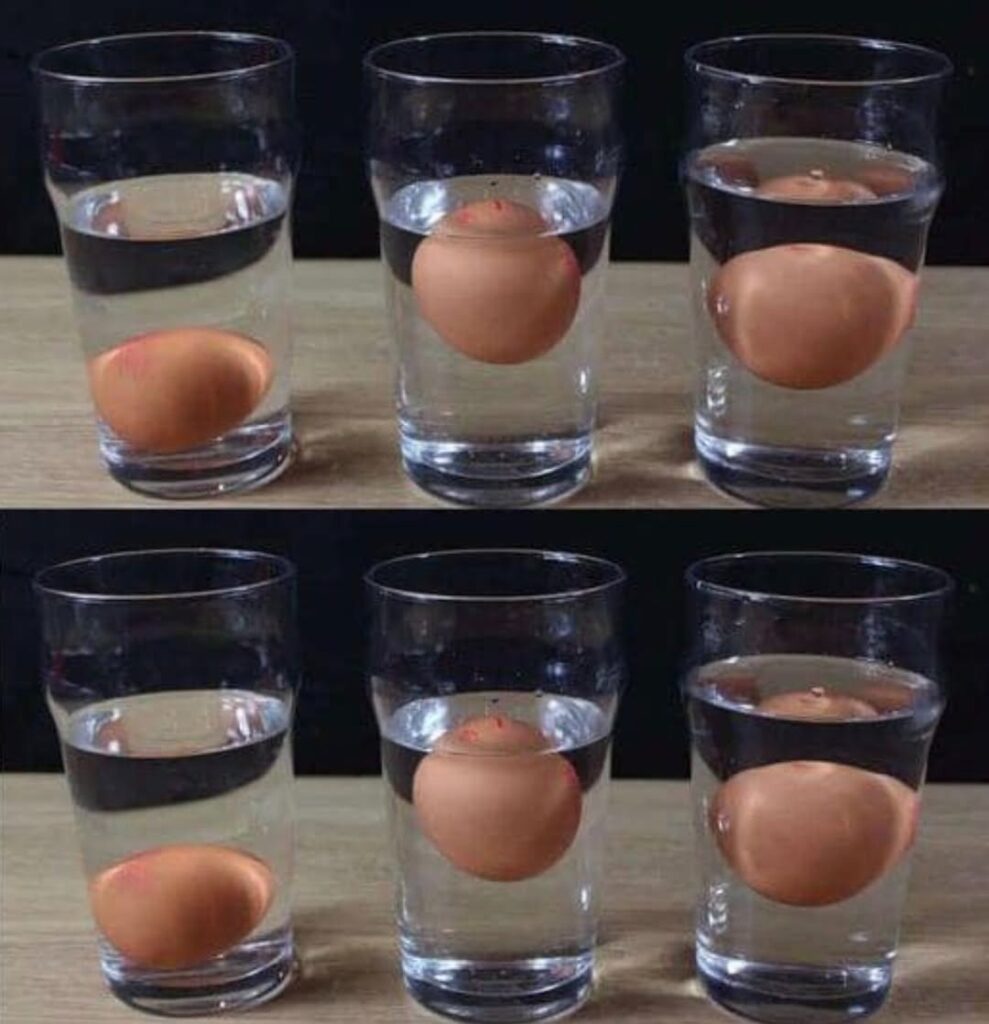
What the results mean
Egg sinks and lies flat on the bottom
→ Very fresh. Perfect for poaching, soft-boiling, or delicate recipes.
Egg sinks but stands upright on the bottom
→ Older, but still safe to eat. Best used soon for scrambled eggs, baking, or hard-boiling.
Egg floats to the surface
→ The egg is likely spoiled. It’s safest to throw it away.
Why this test works
As eggs age, moisture and gases slowly escape through tiny pores in the shell. This creates a larger air pocket inside the egg. When that pocket becomes too large, the egg begins to float.
2. The Smell Test: Trust Your Nose
See more on the next page to continue reading →
ADVERTISEMENT
ADVERTISEMENT