ADVERTISEMENT
🧼 HOW IT’S USED IN REAL LIFE
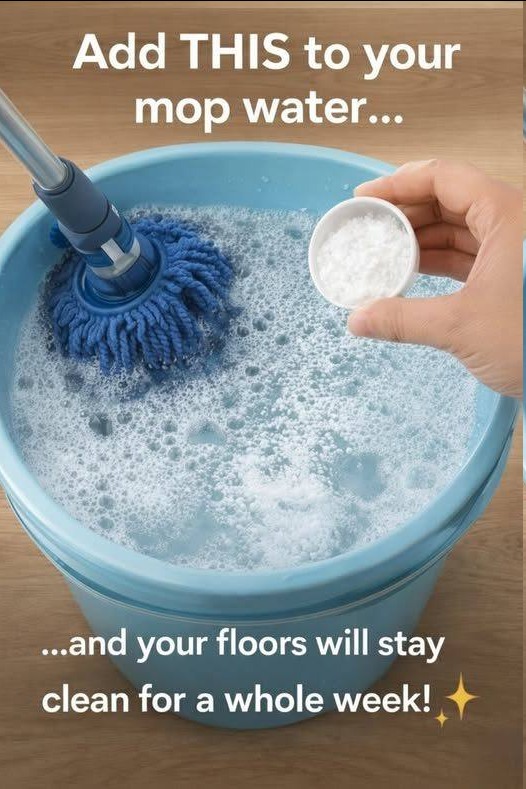
The process is straightforward and doesn’t require anything special. First, floors are swept or vacuumed to remove loose dirt. Then the solution is mixed in a bucket and applied with a well-wrung mop—never overly wet, just enough to clean without soaking the surface.
ADVERTISEMENT
As the floor dries, something noticeable happens: no streaks, no sticky feeling, no dull residue. Just a clean, even finish that looks and feels fresh.
🌿 THE EXPERIENCE OVER TIME
What surprises most people isn’t just the immediate result—it’s how long it lasts. Floors that used to look dusty again within hours often stay visibly cleaner for days. Less buildup means less effort, which slowly changes the entire cleaning routine.
It stops feeling like a constant battle and starts feeling more manageable.
💡 A FEW THINGS THAT MAKE A DIFFERENCE
The type of floor matters. Tile, vinyl, and sealed surfaces respond especially well, while delicate materials like hardwood or natural stone need a gentler version without vinegar.
And small details—like not using too much soap or wringing out the mop properly—can make a big difference in how smooth and streak-free the result looks.
❤️ FINAL THOUGHT
Sometimes the most effective solutions aren’t the most complicated ones. They’re the simple, overlooked combinations sitting quietly in your kitchen, waiting to be used differently.
This isn’t about a miracle product or a perfect home. It’s about finding a cleaning routine that actually works with less effort, fewer products, and better results.
And once you experience floors that stay cleaner for longer… it’s hard to go back to anything else.
ADVERTISEMENT