ADVERTISEMENT
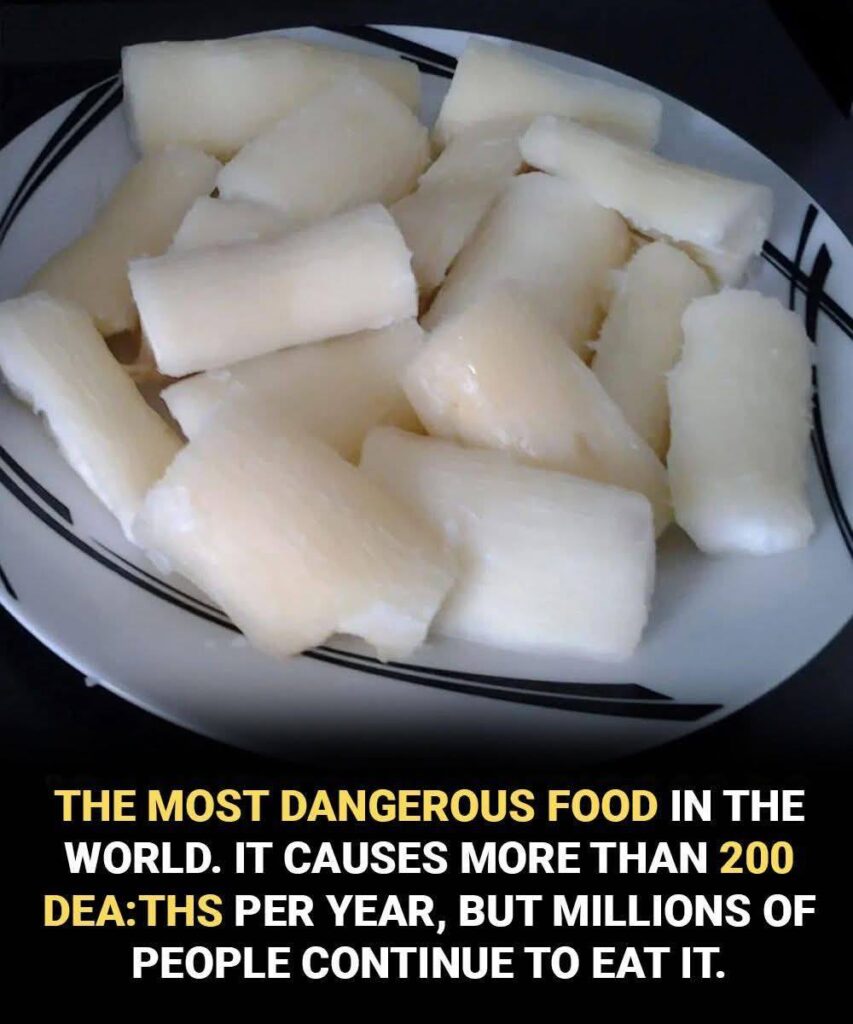
Cassava may not be a pantry regular in every American home, but across parts of Africa, South America, and Southeast Asia, it’s as familiar as potatoes or rice. This starchy root feeds hundreds of millions of people worldwide.
But cassava has something unusual about it: if eaten raw or improperly prepared, it can release small amounts of cyanide.
That sounds alarming — but here’s the reassuring truth:
ADVERTISEMENT
👉 When properly prepared, cassava is safe and widely enjoyed every day around the world.
Let’s break down what that really means.
Why Cassava Can Be Risky
Cassava contains natural compounds called cyanogenic glycosides. When the root is:
-
Peeled
-
Cut or grated
-
Chewed
-
Or crushed
These compounds can release cyanide.
There are two main types:
-
“Sweet” cassava – lower levels of these compounds
-
“Bitter” cassava – higher levels
The risk appears when cassava is:
-
Eaten raw
-
Undercooked
-
Not soaked or fermented (for bitter varieties)
With proper preparation, the cyanide is removed or reduced to safe levels.
Why Serious Poisoning Happens (And Where)
Severe health issues linked to cassava usually occur in regions facing:
-
Drought
-
War or displacement
-
Extreme poverty
-
Limited access to clean water or cooking fuel
In these situations, families may skip long soaking or cooking steps simply to survive.
One condition associated with long-term consumption of poorly processed cassava in certain African regions is Konzo — a rare neurological condition linked to chronic cyanide exposure combined with low-protein diets.
Symptoms can include:
-
Sudden leg weakness
-
Difficulty walking
-
Long-term mobility challenges
It’s important to understand:
✔️ Konzo is rare
✔️ It occurs under very specific hardship conditions
✔️ It is not something occasional cassava eaters in well-resourced kitchens typically face
4 Key Steps to Make Cassava Safe
1️⃣ Peel It Completely
The peel and the layer just beneath it contain higher toxin levels.
-
Remove the thick outer skin entirely
-
Trim away any woody or discolored parts
-
Never cook cassava with the peel on
2️⃣ Soak or Ferment (Especially for Bitter Cassava)
Traditional methods are powerful safety tools.
Common methods:
-
Soak peeled or grated cassava in water for 24–48 hours
-
Change water if needed
-
Allow natural fermentation
In many parts of Brazil, fermented cassava flour is made this way before drying and roasting.
If you’re buying:
-
Tapioca
-
Cassava flour
-
Frozen cassava
These are usually preprocessed — just follow package directions carefully.
3️⃣ Cook It Thoroughly
Cassava should never be eaten raw.
-
Boil in plenty of water
-
Cook until completely tender (often 20+ minutes)
-
Drain the cooking water
After boiling, you can:
-
Fry it
-
Mash it
-
Roast it
-
Add it to stews
Heat further reduces remaining toxins and improves digestion.
4️⃣ Pair It With Protein
In regions where konzo has occurred, diets were often low in protein.
Protein helps the body process trace toxins more effectively.
Good pairings:
-
Eggs
-
Fish
-
Poultry
-
Beans or lentils
-
Dairy
A balanced diet makes a difference.
When Is Cassava Truly Dangerous?
See more on the next page to continue reading →
ADVERTISEMENT
ADVERTISEMENT