ADVERTISEMENT
You may know it as a weed. It pops up in gardens, sidewalk cracks, and flower beds—persistent, low-growing, and often pulled out without a second thought.
But what if one of the most nutritious plants in your backyard is actually purslane (Portulaca oleracea)?
Far from being just a garden intruder, purslane is:
✅ Rich in plant-based omega-3 fatty acids
✅ Packed with antioxidants, vitamins, and minerals
✅ Used for centuries in Mediterranean, Mexican, and Chinese diets
ADVERTISEMENT
For adults over 60—when heart health, joint comfort, and cognitive support become priorities—adding nutrient-dense foods like purslane to your meals can offer meaningful benefits.
🥬 What Is Purslane?
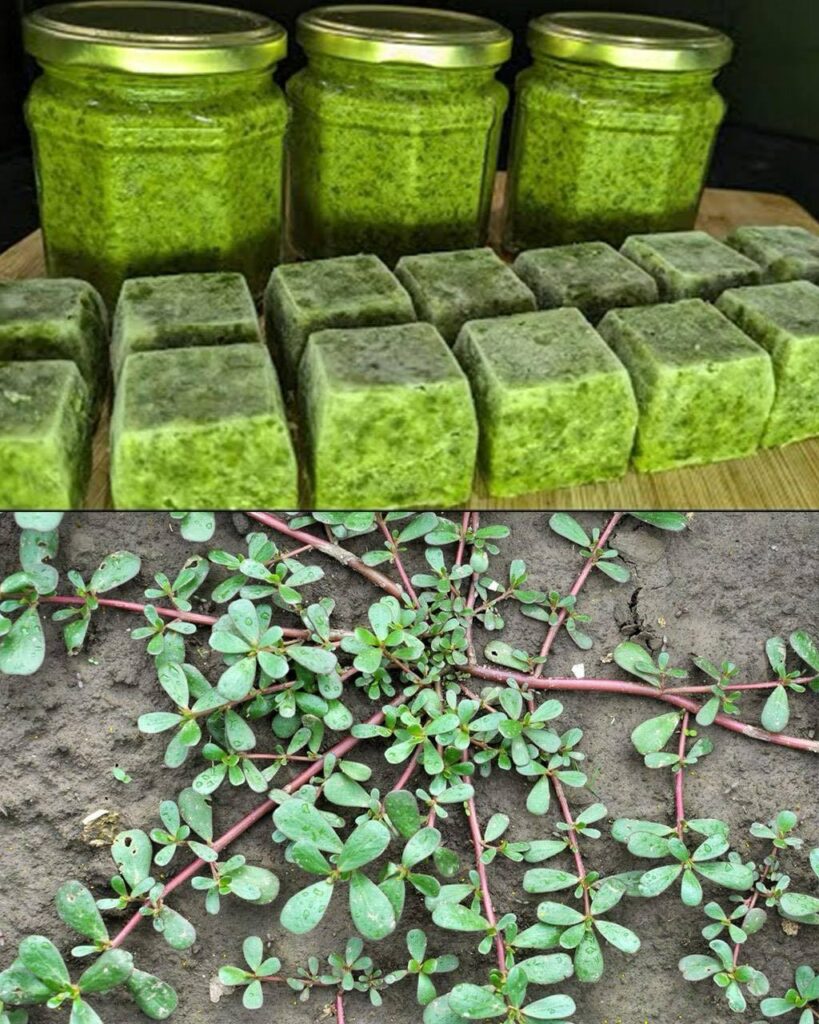
Purslane is a succulent with:
-
Thick, juicy stems
-
Small, paddle-shaped green leaves
-
A slightly tangy, lemony flavor, similar to spinach or watercress
It grows wild in many climates and can be eaten raw in salads, sautéed, or added to soups and stews. Despite its “weed” reputation, it’s completely safe—and surprisingly nutritious.
🧪 Nutritional Powerhouse
Per 100g (about 1 cup chopped), purslane contains:
💚 Alpha-linolenic acid (ALA) – Plant-based omega-3 for heart and brain health (higher than most leafy greens)
🔬 Glutathione & betalains – Antioxidants that fight age-related oxidative stress
🍋 Vitamin C – Supports immunity and collagen production
☀️ Vitamin E – Protects cells and supports skin integrity
🦴 Magnesium & Potassium – Aid blood pressure regulation and muscle function
🌱 Dietary fiber – Supports digestion and gut health
✅ Purslane actually has more omega-3s per gram than spinach, kale, or even some fish, making it a valuable addition to plant-based diets.
✅ Potential Benefits for Adults 60+
See more on the next page to continue reading →
ADVERTISEMENT
ADVERTISEMENT