ADVERTISEMENT
🚶♂️ What Should You Do If You See It?
If you encounter purple paint in a wooded or rural area, the safest and most respectful action is simple:
Stop and turn back.
Assume the land is private.
Do not explore further or enter the area.
ADVERTISEMENT
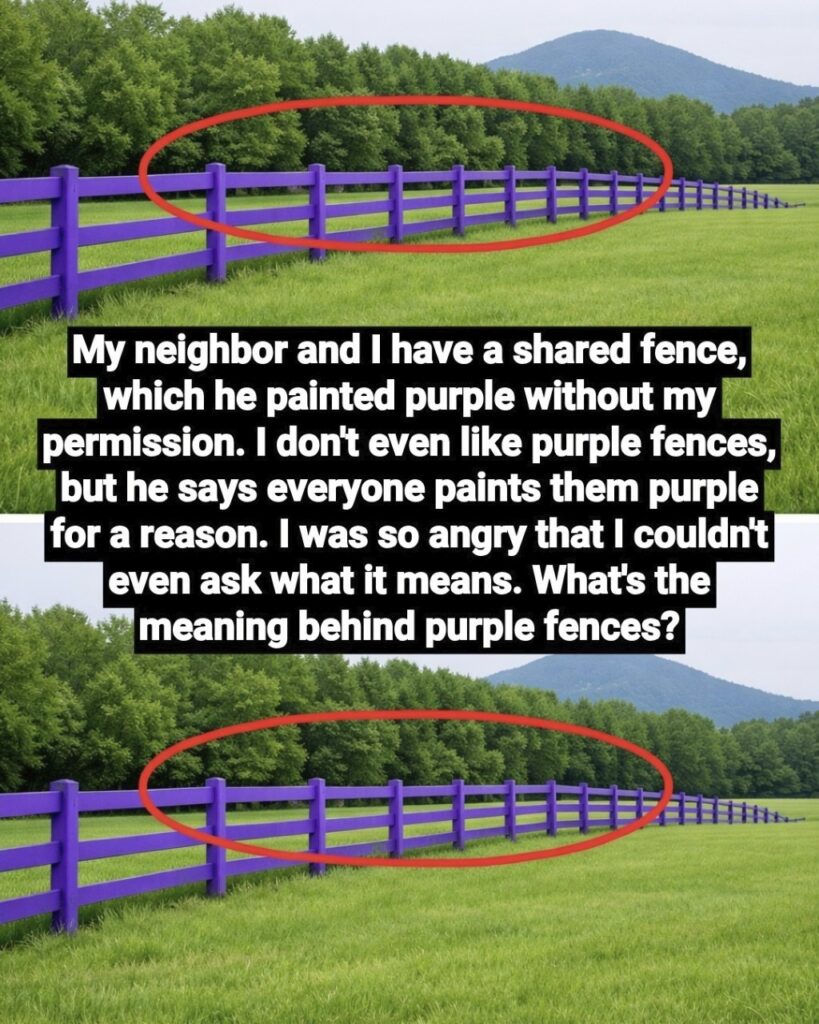
Even if no physical “No Trespassing” sign is present, the purple mark often carries the same legal meaning.
❤️ Why Purple?
Purple was chosen because it stands out in nature without being commonly used for other official markings. Red, orange, and yellow already have other meanings (like construction, surveying, or utility work), so purple became the clearest alternative for property boundaries.
It is highly visible against trees and grass, yet still blends into rural landscapes better than traditional signs.
🧠 Common Misunderstandings
Many people assume:
-
“It’s just paint” → It can be legally binding
-
“No sign means it’s okay” → False in many states
-
“Walking through is harmless” → Trespassing laws still apply
Understanding these rules helps prevent legal trouble and shows respect for landowners.
🌿 Final Thought
That small purple mark is more than paint—it’s a quiet boundary between public exploration and private land. It represents respect, responsibility, and coexistence between nature lovers and landowners.
So next time you see it on a tree or fence post, don’t ignore it. Pause, recognize it, and choose another path.
🟣 Because the best outdoor experiences are the ones where respect for the land comes first.