ADVERTISEMENT
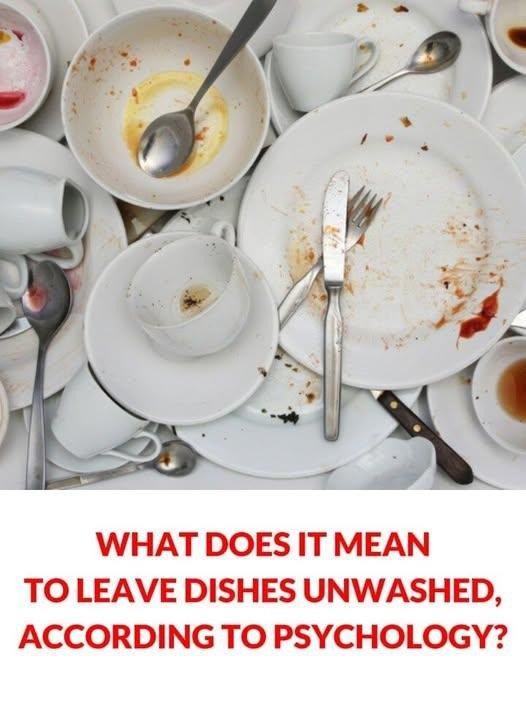
The way we maintain our home often reflects what’s happening in our mind. Even something as simple as washing dishes can reveal patterns about our habits, emotions, and daily routines.
If you’ve ever wondered why dishes sometimes pile up—and what it might actually mean—here’s a deeper look into the psychology behind it.
🧠 What Dirty Dishes Can Really Indicate
Leaving dishes unwashed isn’t always about laziness. In many cases, it reflects deeper emotional or behavioral patterns:
ADVERTISEMENT
😴 Stress and Fatigue
After a long or exhausting day, even small tasks can feel overwhelming. When energy is low, chores like washing dishes are often delayed.
⏳ Procrastination and Disorganization
Some people naturally delay small tasks, especially ones that feel repetitive. This habit can reflect a broader tendency to postpone responsibilities in daily life.
💭 Emotional Strain
Clutter—including a sink full of dishes—can sometimes reflect emotional overload such as stress, anxiety, or low mood. When mental energy is limited, routines often break down.
📅 Lack of Routine
Without structured habits, household tasks can easily fall behind. Dirty dishes may simply indicate the absence of consistent daily organization.
🌟 Why It’s Important to Stay on Top of Dishes
See more on the next page to continue reading →
ADVERTISEMENT
ADVERTISEMENT