When a Peace Lily Blooms, It’s a Sign of Good Care
ADVERTISEMENT
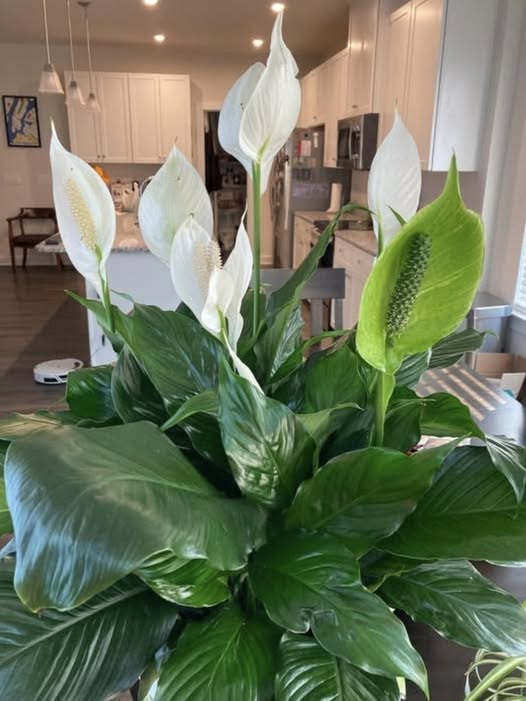
There’s something special about seeing a peace lily bloom. The elegant white spathe rising above the deep green leaves often feels like a quiet message from the plant itself — a sign that it feels healthy, comfortable, and well cared for.
However, many plant owners notice that their peace lily stays green for months, or even years, without producing a single bloom. Despite regular watering and attention, the plant simply refuses to flower.
The good news is that peace lilies naturally want to bloom. When they don’t, it’s usually because one or two important growing conditions are missing. With a few small adjustments, you can help encourage new flowers and keep your plant thriving.
ADVERTISEMENT
1. Provide the Right Amount of Light
One of the most common reasons peace lilies stop blooming is insufficient light.
Although these plants are known for tolerating low-light conditions, they actually produce flowers best in bright, indirect light. Placing the plant near an east- or north-facing window is often ideal.
Avoid direct sunlight, as it can scorch the leaves. If your plant grows healthy green leaves but never forms buds, moving it closer to a brighter location may make a big difference.
2. Maintain Consistent Watering
Peace lilies are famous for drooping dramatically when they become thirsty. While they often recover quickly after watering, frequent stress from inconsistent watering can prevent blooming.
For best results:
-
Check the top inch of soil regularly
-
Water when the soil begins to feel dry
-
Allow excess water to drain completely
-
Avoid letting the pot sit in standing water
Using room-temperature or filtered water can also help, since peace lilies are sensitive to certain chemicals in tap water.
3. Recreate a Tropical Environment
See more on the next page to continue reading →
ADVERTISEMENT