3. Recreate a Tropical Environment
ADVERTISEMENT
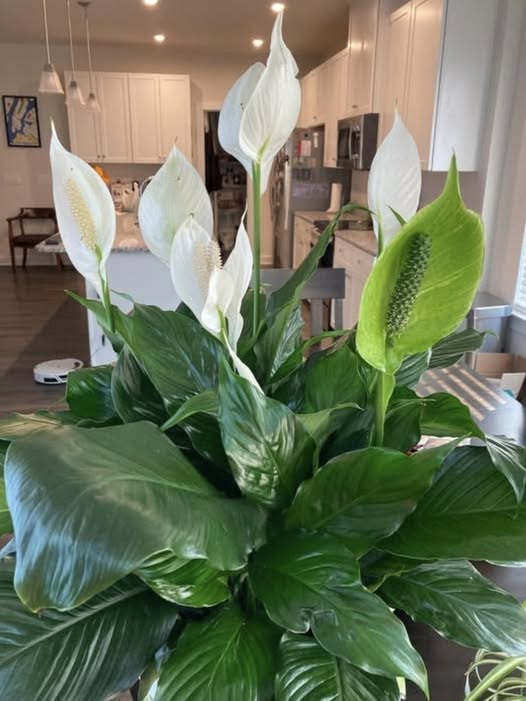
Peace lilies originate from tropical rainforests, which means they prefer warm temperatures and moderate humidity.
Ideal conditions include:
-
Temperatures between 65–80°F (18–27°C)
-
Humidity levels around 50–60% or higher
You can increase humidity by grouping plants together, using a humidifier, or placing the pot on a pebble tray with water beneath it.
ADVERTISEMENT
4. Feed the Plant During the Growing Season
Blooming requires energy, and nutrients play an important role. During the growing season — typically spring through early fall — fertilize your peace lily every 4–6 weeks with a balanced liquid fertilizer.
Diluting the fertilizer to half strength is recommended, as peace lilies are sensitive to overfeeding.
5. Remove Old Flowers and Maintain the Plant
Once a bloom fades and turns green or brown, it’s best to remove it by cutting or gently pulling it from the base. This encourages the plant to redirect its energy toward producing new growth and future blooms.
Regularly removing damaged or yellow leaves can also help keep the plant healthy.
Final Thoughts
Peace lilies may seem quiet, but they communicate through their growth and appearance. Drooping leaves, brown tips, or the absence of flowers are often simple signals about what the plant needs.
With proper light, consistent watering, and a comfortable environment, your peace lily can reward you with elegant white blooms that last for weeks.
Sometimes, the secret to more flowers isn’t complicated care — it’s simply understanding what your plant has been trying to tell you all along. 🌿
ADVERTISEMENT