ADVERTISEMENT
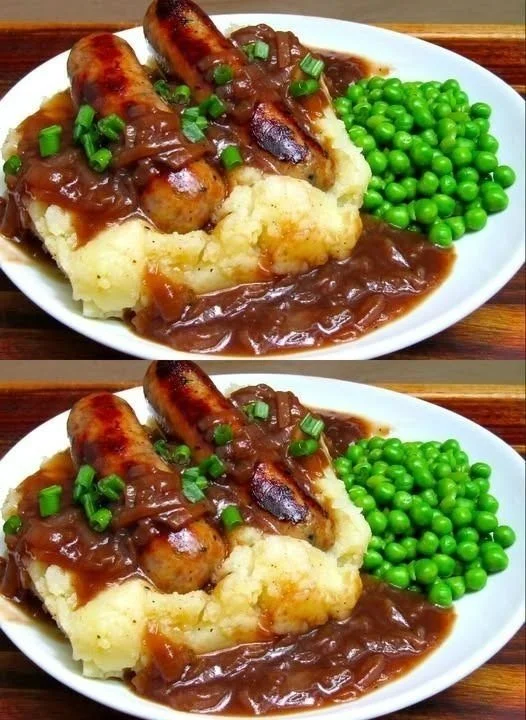
If your mashed potatoes often turn out sticky, bland, or heavier than you’d like, the problem may not be the ingredients — it’s the cooking technique. While boiling potatoes in water is traditional, it’s far from ideal if you’re aiming for smooth, flavorful, restaurant-style mashed potatoes.
There are better methods that protect texture, enhance flavor, and give you consistent results every time. Let’s explore why boiling falls short — and what to do instead.
Why Boiling Potatoes in Water Isn’t the Best Choice
1. Flavor Gets Lost
When potatoes boil in water, much of their natural starch and subtle flavor escapes into the cooking liquid. The result is a neutral-tasting mash that relies heavily on butter, cream, and seasoning just to taste good.
ADVERTISEMENT
2. Too Much Moisture = Gummy Texture
Potatoes act like sponges. When submerged in water, they absorb excess moisture. Once mashed, this leads to a dense, glue-like consistency instead of a light and fluffy texture.
3. Hard to Control Doneness
Overcook them and they fall apart. Undercook them and you get unpleasant lumps. Boiling makes it difficult to hit that perfect fork-tender stage consistently.
4. Missed Flavor Potential
Cooking potatoes in plain water is a wasted opportunity. Using flavorful liquids like milk, cream, or broth allows them to absorb richness from the inside out — meaning less effort for better taste.
Better Cooking Methods for Creamier Mashed Potatoes
See more on the next page to continue reading →
ADVERTISEMENT
ADVERTISEMENT