ADVERTISEMENT
Instead of relying only on the date printed on the package, use your senses.
-
Smell: Sour or unpleasant odors often indicate spoilage.
-
Look: Watch for mold, discoloration, or cloudy liquids.
-
Feel: Slimy textures on meat or fish are warning signs.
-
Taste: If everything seems normal, a tiny taste test can help confirm freshness.
When something clearly seems spoiled, throw it away — but remember that a past date doesn’t automatically mean unsafe food.
Foods That Are Often Safe After the Date
Many common foods remain safe for some time beyond their labeled date when stored properly.
ADVERTISEMENT
-
Milk: Usually safe 5–7 days past the “Best By” date if refrigerated and smelling normal
-
Yogurt and Cheese: Often good 1–2 weeks beyond the date; mold on hard cheeses can sometimes be trimmed away
-
Eggs: Can last 3–5 weeks after the “Sell By” date; fresh eggs sink in water
-
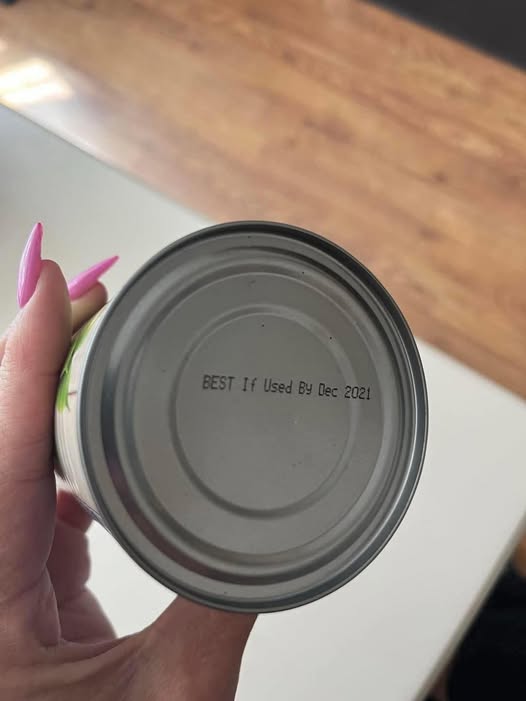
Canned Foods: Typically safe for 1–5 years if cans are undamaged and stored properly
-
Dry Pasta, Rice, and Cereal: Often fine 6–12 months past the date
-
Frozen Foods: Safe indefinitely, though quality may decline after several months
Freezing is one of the best ways to extend food life because it stops bacterial growth.
When You Should Throw Food Away Immediately
Some situations call for caution.
Discard food if you notice:
-
Raw meat or poultry that smells foul, feels slimy, or appears gray
-
Vacuum-sealed deli meats that develop a sour smell or sticky film
-
Leftovers older than four days with unusual odors or mold
-
Infant formula past its expiration date
People who are pregnant, elderly, or immunocompromised should be especially careful with potentially risky foods.
The Real Cost of Food Waste
Misunderstanding expiration labels contributes to massive food waste.
-
Americans throw away over 100 billion pounds of food every year
-
The average household loses more than $1,500 annually
-
Food waste in landfills produces methane, a powerful greenhouse gas
Experts estimate that clearer labeling alone could reduce food waste by hundreds of thousands of tons each year.
Simple Ways to Reduce Food Waste
You can cut waste and save money with a few practical habits:
-
Learn what food labels really mean
-
Store foods correctly to extend freshness
-
Use the FIFO method (First In, First Out) so older foods get used first
-
Freeze leftovers before they spoil
-
Create a “use first” section in your refrigerator
-
Compost scraps like vegetable peels and coffee grounds
Common Myths About Expiration Dates
“Expiration dates are set by the government.”
Not usually — most are determined by manufacturers.
“One day past the date means the food is unsafe.”
False. Spoilage depends on storage and time.
“All moldy food must be thrown away.”
Not always — mold can sometimes be cut off hard cheeses or firm produce.
“If food looks fine, it must be safe.”
Not necessarily; some bacteria don’t change appearance or smell.
Final Thoughts
You don’t need to fear the food in your refrigerator.
Understanding labels, trusting your senses, and storing food properly can help you protect your health, save money, and reduce waste.
So the next time you see a carton of milk past its date, don’t panic.
Check it. Smell it. Use it if it’s still good.
Because real food safety isn’t about blindly following labels —
it’s about making informed choices in your own kitchen.
ADVERTISEMENT