ADVERTISEMENT
You’ve probably experienced this moment: you open the fridge, reach for the milk, and then pause.
“Wait… it says Best By yesterday. Is it still safe?”
You’re not alone. Every year, millions of people throw away perfectly good food simply because they misunderstand expiration labels. In reality, most of these dates are not safety warnings — they’re about quality and freshness.
Because of this confusion, the average American household wastes more than $1,500 worth of food each year.
ADVERTISEMENT
The good news? Once you understand what these labels actually mean, you can eat safely, save money, and reduce waste.
Why Expiration Dates Cause So Much Confusion
In the United States, most food date labels are not federally regulated (with the exception of infant formula). Manufacturers choose their own wording, which leads to several different labels that sound serious but often mean similar things.
Common label terms include:
-
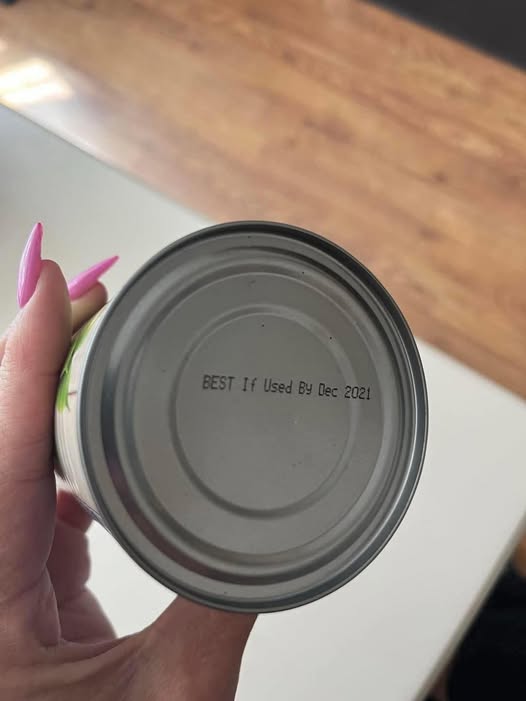
Best if Used By – Indicates when the product will have the best flavor or quality. It is not a safety deadline.
-
Use By – The manufacturer’s recommendation for peak quality, often used for perishable foods.
-
Sell By – Intended for retailers to manage shelf inventory.
-
Expires On – Rarely used, but may appear on infant formula to indicate when nutrients begin to decline.
Bottom line: these dates generally signal quality, not danger.
Both the USDA and FDA agree that most date labels are simply guidance for freshness.
How to Tell If Food Is Still Safe
See more on the next page to continue reading →
ADVERTISEMENT
ADVERTISEMENT