Mistake 5: Trusting the myth of keeping the pit in the avocado
ADVERTISEMENT
Leaving the pit in doesn’t prevent oxidation or bacterial growth. An improperly stored avocado can develop bacteria that are dangerous for older adults.
Best method:
Lemon or lime juice on the pulp
ADVERTISEMENT
Plastic film in direct contact
Consume within 24 hours
Mistake 4: Consuming it in excess if you take blood pressure medication
Avocado can lower blood pressure. Combined with antihypertensive drugs, it can cause hypotension, dizziness, and falls.
Recommendation:
Keep portions small, monitor your blood pressure, and inform your doctor if you consume it regularly.
Mistake 3: Consuming it with chronic kidney disease
Avocado is very high in potassium. In people with kidney disease, this can cause hyperkalemia, a medical emergency that can lead to arrhythmias and cardiac arrest.
Strict rule:
If you have advanced kidney disease or are on dialysis, do not consume avocado without express medical authorization.
Mistake 2: Thinking it doesn’t interact with heart medications
Potassium-sparing diuretics, beta-blockers, and ACE inhibitors can interact with the high mineral content of avocado.
Solution:
Never decide on your own. Always inform your doctor and ask how much and how often it is safe to consume.
Mistake 1 (the most dangerous): Consuming it irregularly if you are taking anticoagulants.
Avocados provide vitamin K. In people taking anticoagulants, irregular consumption can negate the effect of the medication or increase the risk of bleeding.
Absolute key:
Either don’t consume it, or always consume it in the same amount.
Inform your doctor of any changes.
Consistency is more important than quantity.
Tips and recommendations:
Always prioritize moderation.
Maintain a consistent diet, without sudden changes.
Tell your doctor about any food you consume regularly.
Don’t assume that “natural” is synonymous with “harmless.”
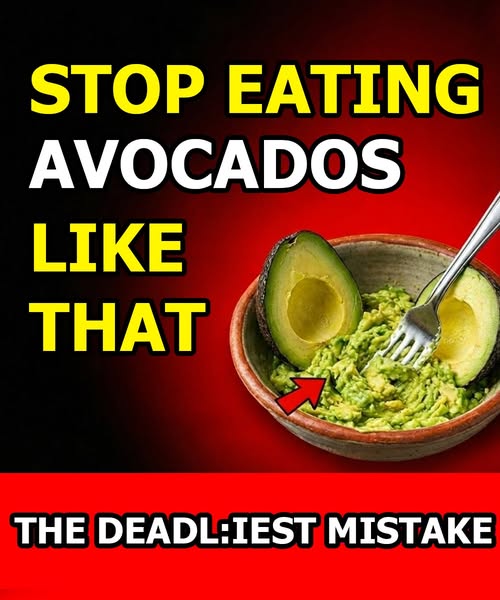
Avocados are not the enemy. The real risk is consuming them without knowledge, ignoring age, illnesses, and medications. With information, moderation, and medical supervision, it remains a valuable food that can be part of a safe and balanced diet in older adulthood.
ADVERTISEMENT